
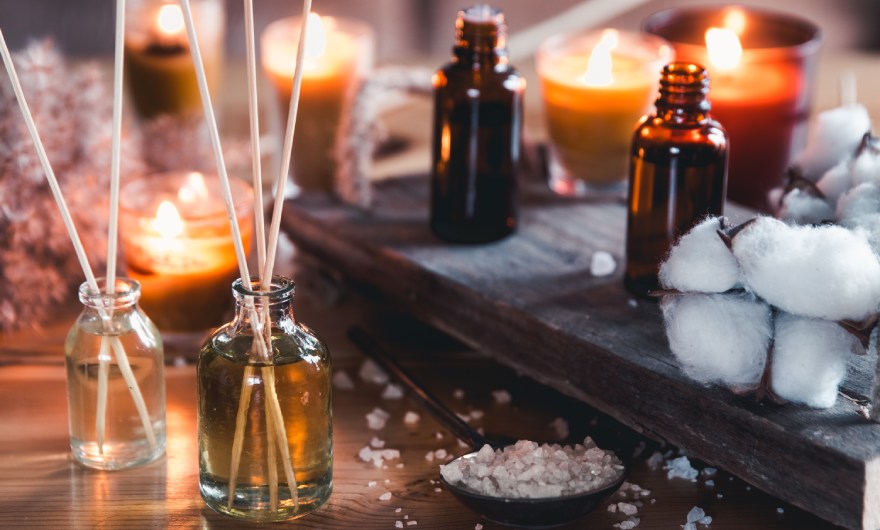
Understand aromatherapy basics
What is aromatherapy?
Aromatherapy is a holistic practice that uses concentrated plant extracts, known as essential oils, to support emotional and physical well-being. In recovery settings, these fragrant oils offer a noninvasive way to calm the nervous system, manage stress and foster mindfulness. As a form of complementary medicine, aromatherapy can bridge the gap between clinical treatment and mind-body modalities, helping you stay grounded during challenging periods of relapse prevention.
How essential oils work
Essential oils carry volatile compounds that interact with your body through two primary pathways:
Inhalation triggers
- Scent molecules travel through your nose to the olfactory receptors.
- Signals are sent directly to the amygdala, the brain’s emotional center, influencing mood and stress responses Johns Hopkins Medicine.
- You may notice an immediate sense of calm, clarity or uplift depending on the oil profile.
Topical absorption
- Oils are diluted in carrier oils (for example, jojoba or almond) and applied to the skin.
- Active constituents penetrate dermal layers and enter the bloodstream, delivering targeted relief for muscle tension, headaches or digestive discomfort.
- Proper dilution and application ensure safe, sustained benefits without irritation.
By understanding these mechanisms, you can appreciate how aromatherapy for relapse prevention supports both your emotional regulation and physical comfort.
Explore benefits in recovery
Reducing stress and anxiety
Stress and anxiety often trigger cravings and can undermine your resolve to remain sober. Aromatherapy offers you tools to counteract these emotional states:
- Lavender and chamomile promote relaxation and lower cortisol levels in stressful moments Virtue Recovery Center.
- Citrus oils such as bergamot and orange produce an energizing yet calming effect, helping you stay present during high-pressure situations.
Managing cravings
Strong cravings can derail your progress without warning. A simple inhalation of certain essential oils may:
- Interrupt compulsive thought patterns by shifting your focus to a soothing scent.
- Support impulse control through mood regulation, making urges easier to observe rather than act upon.
- Provide a portable coping tool—carry a personal inhaler or rollerball blend for on-the-go relief.
Enhancing mood and sleep
Adequate rest and emotional stability are pillars of relapse prevention. Essential oils can assist by:
- Improving sleep quality—diffuse lavender or frankincense before bedtime to ease you into restorative rest.
- Uplifting mood—diffuse lemon or peppermint in the morning to kick-start your day with clarity and optimism.
- Balancing emotional swings—use bergamot inhalers during transitional periods to smooth highs and lows.
By integrating aromatherapy into your daily routine, you create accessible rituals that reinforce calm, focus and resilience.
Select essential oils
Choosing the right oils for your needs involves matching properties to your recovery goals. Below is a quick reference table to guide your selection:
| Category | Oils and primary benefits |
|---|---|
| Calming | Lavender (anxiety, insomnia), Chamomile (relaxation), Bergamot (stress, mood) |
| Energizing | Peppermint (focus, fatigue), Rosemary (clarity), Lemon (alertness) |
| Physical care | Ginger (nausea, digestion), Chamomile (muscle tension), Clove (pain relief) |
Calming oils
- Lavender: Widely studied for its anxiolytic and sleep-promoting effects.
- Chamomile: Gentle relaxation support, especially before bedtime.
- Bergamot: Inhalation has shown significant reductions in depression and anxiety among people in substance use treatment (P = .007 and .013 respectively) PMC.
Energizing oils
- Peppermint: Acute mental fatigue relief, improved concentration.
- Rosemary: Sharpens memory and mental clarity, making it easier to maintain focus on recovery tasks.
- Lemon: Mood elevator with antimicrobial properties—diffuse in shared living spaces for freshness.
Oils for physical comfort
- Ginger: Eases nausea and digestive upset common during early withdrawal.
- Clove: Pain relief and muscle relaxation when applied topically with a carrier oil.
- Chamomile: Dual-action for both relaxation and relief from minor aches.
Select high-quality, pure essential oils from reputable suppliers and always check for batch testing or third-party certification to ensure potency and safety.
Integrate aromatherapy practices
Diffusion techniques
Diffusing oils disperses the molecules into the air for sustained inhalation:
- Add 5–8 drops of your chosen oil (or blend) to a cool-mist diffuser.
- Set intermittent diffusion cycles (for example, 30 minutes on, 30 minutes off) to prevent sensory fatigue.
- Place the diffuser in a communal area or your bedroom to maintain supportive ambient scent throughout the day or night.
Topical applications
Roll-on sticks and massage blends allow targeted relief:
- Mix 2–3 drops of essential oil per teaspoon of carrier oil.
- Apply to pulse points (wrists, temples, behind ears) for emotional support.
- Use on areas of tension (neck, shoulders) to release physical stress.
Personal inhalers
Portable inhalers are discreet and effective when you need immediate grounding:
- Fill an inhaler tube with a cotton wick and 3–5 drops of essential oil.
- Inhale deeply through one nostril at a time for 3–5 breaths.
- Store multiple inhalers for different needs—stress, focus or sleep.
By alternating these methods, you can tailor aromatherapy to fit your environment and schedule, making holistic support easy to access whenever you need it.
Combine with holistic therapies
Aromatherapy for relapse prevention is most effective when paired with other integrative approaches that address mind, body and spirit.
- Pair scents with mind body therapy for addiction to deepen your connection between emotional states and physical sensations.
- Complement sessions with yoga for substance recovery so you can synchronize breath, movement and aroma.
- Integrate aroma inhalers into breathwork and mindfulness therapy to anchor your attention and regulate stress responses.
- Enhance vibrational healing by using essential oil–infused mats or sprays before sound bath therapy for addiction sessions.
Furthermore, you can explore holistic trauma integration program, reiki energy healing in recovery or somatic therapy addiction treatment to create a robust, personalized support network that addresses your unique triggers and strengths.
Ensure safe usage protocols
Dilution and carrier oils
- Always mix pure essential oils with a neutral carrier, such as fractionated coconut or sweet almond oil.
- Standard dilution ratios: 1% (1 drop oil per teaspoon carrier) for facial application, 2–3% for large muscle groups.
- Test a small patch on your inner forearm before full application to check for sensitivity.
Quality and purity
- Choose oils with GC/MS (gas chromatography/mass spectrometry) reports to verify composition.
- Avoid unverified bulk blends or oils with undisclosed additives, as impurities can cause adverse reactions.
- Store oils in dark glass bottles away from heat and light to preserve efficacy.
Precautions and allergies
- Never ingest essential oils; professional associations advise against internal use.
- Keep oils away from eyes, ears and sensitive areas.
- If you experience rash, burning or headache, discontinue use and consult a healthcare provider.
- Use caution around children, pregnant people and pets—some oils may be contraindicated.
By following these guidelines, you protect your health while maximizing the benefits of aromatherapy for relapse prevention.
Measure relapse prevention impact
Tracking progress
Consistent evaluation ensures you can see what works and adjust accordingly:
- Keep a daily journal of your mood, cravings and sleep quality.
- Record which oils and methods you used, noting intensity of effect on a scale of 1 to 5.
- Review patterns weekly to identify the most effective blends and routines.
Research evidence
Evidence continues to grow on aromatherapy’s role in substance use care:
- A randomized controlled trial using Citrus bergamia (bergamot) inhalers showed significant improvements in ease (P = .022), depression (P = .007) and anxiety (P = .013) among adults in treatment for substance use disorder PMC.
- Participants reported high satisfaction with aroma inhalers, indicating strong acceptability and feasibility in outpatient settings.
Overall, these findings suggest that aromatherapy can be a low-cost, scalable adjunct to traditional relapse prevention strategies when measured and integrated thoughtfully.
Start your aromatherapy journey
Developing a routine
- Begin small—choose one calming oil for evening diffusion and one energizing oil for morning inhalers.
- Set reminders on your phone or calendar to maintain consistency.
- Adjust your blends seasonally or based on life events—flexibility helps prevent habituation.
Partnering with Beecon Recovery
At Beecon Recovery, we blend clinical expertise with holistic healing to support lasting sobriety. Our integrative wellness addiction care model includes personalized aromatherapy protocols, professional supervision and seamless coordination with therapies like functional wellness program for recovery and emotional regulation and healing therapy. You benefit from evidence-informed guidance every step of the way.
Next steps and resources
To explore tailored aromatherapy plans and broader holistic relapse support services, reach out to our team or visit our holistic relapse support services page. You may also discover complementary options through our holistic addiction recovery therapies resources. Taking proactive steps today helps you build the resilience and self-awareness necessary for a strong, sustained recovery.


