Understanding herbal support
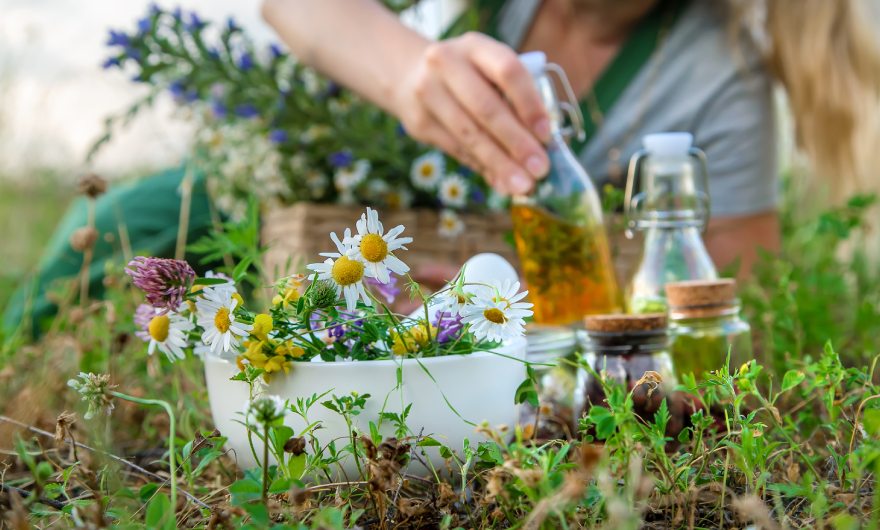
When you embark on a path toward lasting healing, herbal support for recovery can serve as a valuable complement to conventional treatment. At Beecon Recovery, we embrace an integrative wellness addiction care model that bridges clinical methods with holistic modalities, creating a supportive environment for mind-body integration. By harnessing the therapeutic properties of botanicals, you can address stress, mood imbalances, sleep challenges and physiological detoxification in a single, cohesive plan.
Herbal medicine involves the medicinal use of plants to restore natural balance and promote well-being. Unlike isolated pharmaceuticals, whole-plant preparations contain multiple active compounds that work synergistically, potentially enhancing efficacy while reducing side effects. Globally, at least 80 percent of people rely on herbal products for primary healthcare, underscoring their historic and contemporary relevance in recovery settings.
Furthermore, adaptogenic and nervine herbs can support emotional regulation, a critical component of relapse prevention. When combined with evidence-based therapies—such as cognitive behavioral therapy, nutrition based addiction treatment and somatic therapy addiction treatment—botanical remedies can enhance resilience and foster sustainable change.
Exploring key herbs
Herb benefits at a glance
| Herb | Primary benefits | Common forms | Source |
|---|---|---|---|
| Lemon balm | Improves mood, reduces anxiety, aids relaxation | Tea, tincture | Great Oaks Recovery Center |
| Valerian root | Promotes restful sleep, calms nervous system | Tea, capsules, tincture | Great Oaks Recovery Center |
| Skullcap | Eases anxiety, supports mental calm | Tea, extract | Great Oaks Recovery Center |
| Reishi | Detoxifies, boosts immune function | Capsules, powder | Great Oaks Recovery Center |
| Ashwagandha | Balances stress response, supports cognitive health | Capsules, powder, tincture | Great Oaks Recovery Center |
| Kudzu root | Reduces alcohol cravings, stabilizes reward circuits | Tea, supplements | Recovery Home PA |
| St John’s Wort | Eases withdrawal, stabilizes mood | Capsules, liquid extract | Recovery Home PA |
| Rhodiola Rosea | Enhances stress resilience, uplifts mood | Capsules, tea | Recovery Home PA |
| Milk thistle | Supports liver detoxification | Capsules, liquid extract | Recovery Home PA |
Calming herbs
- Lemon balm (Melissa officinalis) helps decrease nervous tension, uplift mood and ease insomnia.
- Valerian root is a classic nervine that improves sleep quality and soothes an overactive mind.
- Skullcap (Scutellaria lateriflora) can reduce anxiety, muscle tremors and promote mental clarity.
Adaptogenic herbs
- Ashwagandha (Withania somnifera) balances cortisol levels, supports cognitive function and promotes restful sleep.
- Rhodiola Rosea helps your body adapt to stress, uplifts mood and supports healthy neurotransmitter activity.
Detoxifying herbs
- Reishi (Ganoderma lucidum) contains antioxidants that support liver, lung and immune health during detoxification.
- Milk thistle (Silybum marianum) shields liver cells from damage and enhances toxin clearance.
- Kudzu root reduces alcohol cravings by modulating reward pathways in the brain.
Mood stabilizers
- St John’s Wort works on serotonin and other neurotransmitters to ease withdrawal symptoms and stabilize mood.
Evaluating the evidence
When you explore botanical therapies, it’s important to review credible research. Clinical trials have demonstrated that phytopharmaceuticals significantly improve recovery outcomes—patients were over three times more likely to show positive progress compared to control groups (OR = 3.54; p < 0.00001)—while reducing mortality rates (OR = 0.24; p < 0.0001).
Herbal medicines have shown efficacy comparable to standard drugs for anxiety and sleep disorders. For example, valerian and hops extracts outperformed placebo in insomnia studies, while lavender oil demonstrated significant benefits for anxiety with good tolerability.
However, not all phytotherapies carry equal safety profiles. Certain herbs—like Ephedra sinica and Kava—have been linked to hepatotoxicity and CNS depression, highlighting the need for informed selection and dosing within structured Addictions Treatment programs. Overall, robust double-blind randomized controlled trials support botanicals such as St John’s Wort for mild to moderate depression, underlining their potential role in holistic relapse support services within an intensive outpatient setting.
Ensuring safe usage
Potential risks and interactions
- Sedative herbs (valerian, lemon balm) can potentiate prescription sleep aids, increasing drowsiness.
- St John’s Wort may reduce the effectiveness of medications including SSRIs and oral contraceptives, and risks serotonin syndrome if combined improperly.
- Milk thistle is generally well tolerated, but interactions with certain chemotherapeutic agents have been reported.
Consulting healthcare professionals
Before adding any new herb to your regimen, discuss your plans with a qualified practitioner. A registered herbalist or your medical team can:
- Review drug-herb interactions
- Adjust dosages based on your health history
- Monitor liver and kidney function during detoxification
Determining proper dosages
- Start with the lowest effective dose and track your response.
- Follow label instructions from reputable brands that adhere to Good Manufacturing Practices (GMP).
- Consider short-term use for potent herbs like valerian, while adaptogens may be taken more continuously under guidance.
Integrating with therapies
Herbal support becomes most powerful when it’s part of a comprehensive plan. You might:
- Sip calming teas before guided sessions in breathwork and mindfulness therapy to deepen relaxation.
- Take adaptogenic supplements alongside yoga for substance recovery to bolster resilience.
- Combine liver-supportive tinctures with your nutrition based addiction treatment protocol for enhanced detox.
- Incorporate herbs into rituals before guided breathwork recovery sessions or mindfulness therapy and meditation to reinforce mental calm.
- Pair a cup of skullcap tea with sound bath therapy for addiction or reiki energy healing in recovery for deeper emotional release.
- Discuss herbal strategies in your holistic trauma integration program or emotional regulation and healing therapy sessions to tailor interventions.
By weaving botanicals into modalities such as acupuncture addiction recovery support, somatic therapy addiction treatment or energy work for addiction recovery, you honor the mind-body connection and create a supportive environment for lasting change.
Selecting reliable products
Checking certifications
When choosing supplements:
- Look for third-party testing seals from USP, NSF or ConsumerLab.
- Verify non-GMO and organic labels to minimize exposure to pesticides.
- Confirm that manufacturers follow Good Manufacturing Practices (GMP).
Reading labels
- Ensure standardized extracts (for example, “Valerian root 0.8 percent valerenic acids”).
- Note the full botanical name to avoid substitutions (e.g., Rhodiola rosea).
- Check for fillers, artificial dyes or allergens that may affect your progress.
Taking next steps
Herbal support for recovery offers a natural, evidence-informed avenue to reinforce clinical treatment and mind-body integration. By selecting well-researched botanicals, respecting safety guidelines and coordinating with your healthcare team, you can enhance mood stability, sleep quality and detoxification—in turn reducing relapse risk.
At Beecon Recovery, our integrative approach weaves botanical therapies into a comprehensive care plan alongside counseling, nutritional guidance and holistic addiction recovery therapies. To explore how herbal support can amplify your recovery journey, reach out to our team or discuss options during your next treatment session. Your path to sustained well-being is within reach.


