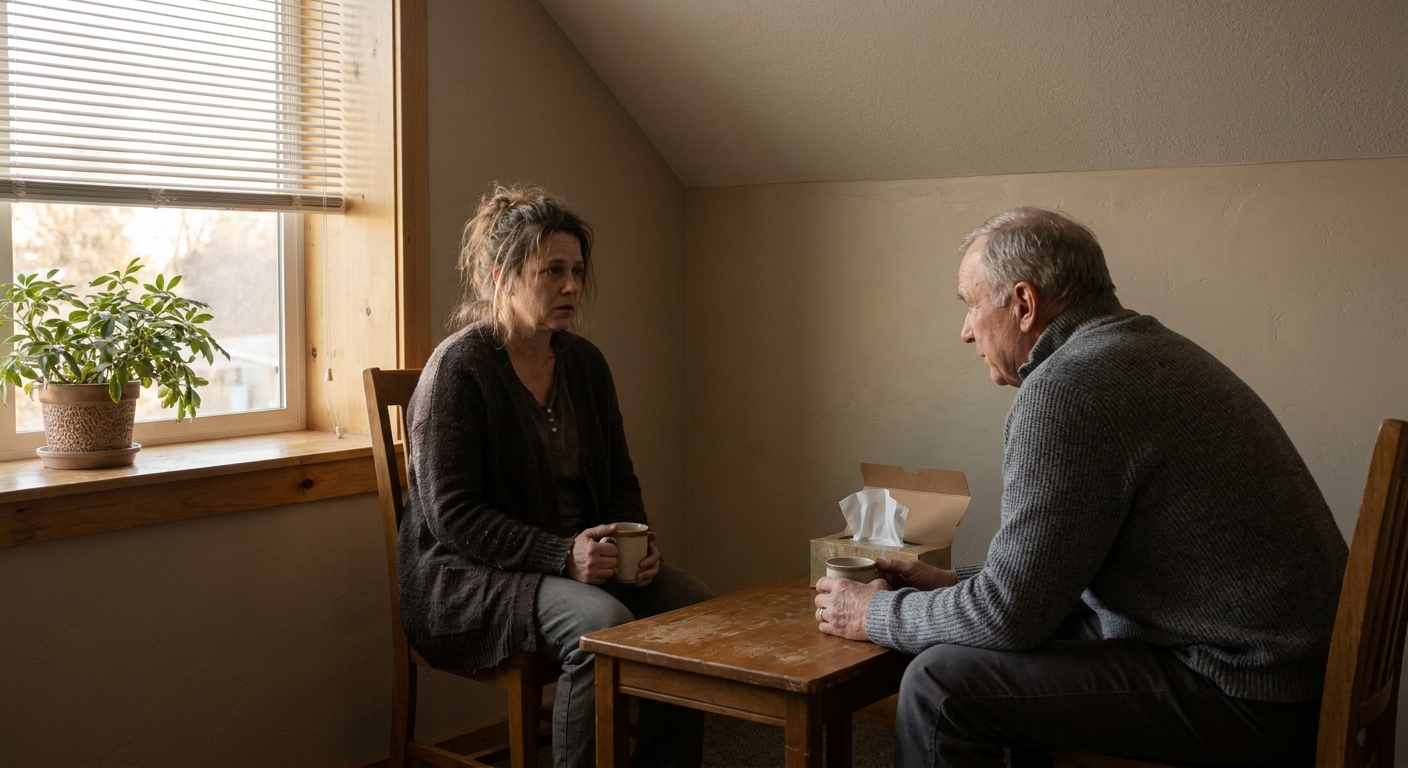

You called a treatment center yesterday, and they quoted you a five-figure number for two weeks, so you hung up, even though you still want help for your child more than anything. You hung up because that number is three months of rent, or a semester of college, or the difference between keeping the lights on and losing everything while you try to save someone you love. So now you are back on your phone, late at night, asking the question nobody seems to answer plainly: how much is 2 weeks of rehab, really, and is there a way to get your son or daughter care without losing the house?
Many parents who reach Beecon Recovery in Brigham City have already heard a number like that somewhere else, and many of them nearly gave up because of it. This page gives you the honest version. The price of two weeks depends mostly on two things: the level of care and your child’s insurance. Once you understand both, the number that scared you starts to make sense, and you can see a path that may fit your family.
How Much Is 2 Weeks of Rehab, and Why Does Every Place Quote Something Different?
The cost of two weeks of rehab can be anything from a small copay to more than most families can pay, and the gap comes down to the level of care and the insurance plan. A residential stay charges for a bed, meals, and staff around the clock, while outpatient charges for the treatment itself.
That is why two centers can quote wildly different numbers for “two weeks.” One may be pricing a stay where your son or daughter lives on site, and every night in that building adds housing, food, overnight nurses, security, and the cost of running a facility that never closes. The other may be pricing outpatient care, where your child sleeps at home and comes in for scheduled treatment. Both are called rehab, but they are not the same bill.
The second thing that changes the number is insurance, and this is where most quotes over the phone fall apart. The price a center says out loud is often the full rate before any plan pays a dime. What your family actually pays depends on four pieces of your child’s plan:
- The deductible is what you pay before coverage kicks in.
- The copay is a flat amount per visit.
- Coinsurance is a percentage you split with the plan after the deductible.
- The out-of-pocket maximum is the most you would pay in a year for covered care.
A plan with a met deductible and a modest copay can turn a scary sticker price into something a family can manage.
Beecon Recovery works to transform lives by serving the overlooked, and what your family pays for is the care and support your child actually receives, with the right program for your son or daughter confirmed during intake. That means the bill is for treatment, not for a building. We do not post one price on this page because a number that ignores your child’s plan would be wrong for most families, and a guess is not what you need right now. What you need is the figure for your child’s Utah Medicaid, Blue Cross Blue Shield, or Cigna coverage, and the intake team at Beecon Recovery can check those benefits with you before your son or daughter starts.
Why Does Outpatient Often Cost Less Than a Residential Stay?
Outpatient often costs less because you are not paying for a place to live. Your son or daughter sleeps at home and comes to Beecon Recovery for treatment, so the money goes to care instead of rooms, meals, and overnight staffing.
People sometimes hear “costs less” and assume “does less,” but that is not how it works here. The treatment hours are where recovery happens, and those hours are what outpatient is built around. So what happens at outpatient rehab? At Beecon Recovery, care for substance use disorder sits alongside mental health treatment, because many people who use substances are also carrying anxiety, depression, or trauma that never got treated. Our dual diagnosis care addresses co-occurring mental health conditions and substance use together, instead of sending your child to two different places. Work on recognizing warning signs helps someone spot their own patterns and build a plan before a craving turns into a slip. We also offer neurofeedback, a noninvasive method that gives the brain real-time feedback through sensors on the scalp, and nutrition counseling, because addiction affects eating and sleep, and a body running on empty makes everything harder. For people coming out of jail or prison, we offer support built for people impacted by incarceration, which most programs never think about.
Here are the two levels of care Beecon Recovery offers:
- Intensive outpatient (IOP): several structured treatment sessions a week, with more hours than standard outpatient. This is often where someone starts when they need structure but are safe to live at home.
- Outpatient (OP) and aftercare: fewer sessions a week. This level fits someone stepping down from IOP who needs to keep building skills and keep a team in their corner while life picks back up.
Here is how outpatient and a residential stay compare on the questions parents care about most:
| Question parents ask | Outpatient (IOP and OP at Beecon Recovery) | Residential or inpatient stay |
|---|---|---|
| Where does my child sleep? | At home | At the facility |
| What does the bill mostly pay for? | Treatment sessions | Treatment plus housing, meals, and 24-hour staff |
| Can they keep working? | Often, yes, with sessions planned around life | Usually not during the stay |
| Where do they practice new skills? | In their real life, starting the same day | Inside the facility, then later at home |
| Who is it a fit for? | Someone medically stable with a safe enough place to live | Someone who needs round-the-clock supervision |
| Offered at Beecon Recovery? | Yes | No |
Outpatient is not right for everyone, and we will tell you the truth about that. Withdrawal from alcohol, benzodiazepines, and some other substances can be dangerous and needs medical supervision. If your son or daughter is in that spot, they may need medical detox with a qualified medical provider before outpatient care can start. That step is not a detour. It is how they arrive steady enough to do the work, and our team can talk you through what that looks like.
Will Insurance Pay for Your Child’s Two Weeks of Treatment?
In many cases, insurance pays for a meaningful part of outpatient treatment. Most health plans include substance use disorder benefits, and federal parity law generally means a plan cannot make addiction and mental health care harder to get than other medical care.
That parity rule comes from the Mental Health Parity and Addiction Equity Act, which SAMHSA explains in plain terms for families. In practice, it means a plan that covers treatment for, say, diabetes or a heart condition generally cannot pile on stricter limits for addiction treatment. Coverage still depends on something called medical necessity, which just means a clinical assessment shows your son or daughter needs this level of care. The assessment is not a test to pass or fail. It is how the plan, and our team, know what kind of help fits.
Beecon Recovery in Brigham City accepts three plans: Utah Medicaid, Blue Cross Blue Shield, and Cigna. When you call, have the insurance card in hand and ask the intake team to check benefits. The useful questions are simple:
- Has the deductible been met this year?
- What is the copay or coinsurance for intensive outpatient?
- Does the plan need prior authorization?
- Is there a cap on the number of sessions?
Those answers turn a mystery into a number. If you want more on how outpatient care and insurance work together, you can read about how outpatient rehab and insurance work at Beecon Recovery.
One thing parents often miss is that a son or daughter under 26 may still be covered on your own health plan, so if that is your family, check your plan first. And if a denial letter shows up, please do not read it as the end of the road. Denials get appealed, and plans ask for more paperwork all the time. Families who quit at the first “no” lose care they may have had a right to, and we would rather work through that with you than watch you walk away.
Can Utah Medicaid Open the Door You Thought Was Locked?
For many Northern Utah families, it can. Beecon Recovery accepts Utah Medicaid, and our team can verify whether your son or daughter’s plan covers intensive outpatient or outpatient care here, since coverage depends on plan terms, medical necessity, and prior authorization.
This matters because of who Beecon Recovery was built to serve. A lot of people who walk through our doors have been through it more than once. They have cycled through relapse, through jail, and through programs that sent them home before anything changed. Many of them carry Medicaid, and too many places treat that card like a reason to say no. We exist to serve the overlooked and underserved, the people the system wrote off, and accepting Utah Medicaid is a big part of how we do that. Your child is not a lost cause because of what is in their wallet or their past.
If your son or daughter does not have Medicaid yet, it may be worth applying. Utah expanded Medicaid to more low-income adults, so someone who never qualified before might qualify now. If your child is coming home from jail or prison, ask about Medicaid right away, because that window right after release is when support matters most. Eligibility depends on their own situation, and the state makes the final call, but you will never know until you ask.
Beecon Recovery is based in Brigham City, UT, and we serve families from Brigham City, Logan, Ogden, Roy, and Layton. Because care happens close to home, there is no plane ticket, no hotel for family weekend, and no long drive across states to see your child. For a family already stretched thin, keeping care local is its own kind of savings.
Why Two Weeks Is a Starting Point, Not a Finish Line
Two weeks is often enough to get your son or daughter steady and started, but it is rarely enough on its own for lasting change. The work that holds up over time often takes longer, and outpatient makes a longer stretch of care more affordable for many families.
NIDA’s principles of effective treatment note that staying in treatment long enough is important, and that the right length depends on the person. Think about what that means for your child. In two weeks they can start sleeping again, meet their care team, learn what their triggers are, and begin to believe they can do this. That is progress. But habits that took years to build do not unwind in fourteen days, and the mental health struggles underneath them often need more time, too.
Here is where we get honestly fired up, because so much of this system is set up in ways that make it hard for people to succeed. Someone gets a short stay, a handshake, and a ride home to the same house, the same friends, and the same stress, with no plan and no one checking in. After that, they either stay on track or they don’t, and you are the one left standing in the kitchen wondering what went wrong. That is not your child failing. That is a gap in care.
Outpatient is how we close that gap. At Beecon Recovery, your son or daughter can begin in IOP, then step down to outpatient and aftercare as they get stronger, so support does not vanish the day the hard part starts. Because you are not paying for a bed every night, a longer runway becomes something more families can work with. That continuity is paired with work on recognizing patterns built into every stage. We are here to support lasting change, not just address symptoms for two weeks, and that takes time.
If you are worried your child will refuse to go, or leave early like before, we hear you, and that fear makes complete sense after everything you have been through. NIDA also notes that treatment does not have to be voluntary at the start to be helpful—though outcomes vary widely and depend on many factors beyond how someone enters care. Plenty of people walk in pushed by family and stay because something finally clicks.
What Does Two Weeks Away From Home Really Cost Your Family?
The program fee is only part of the cost. Two weeks away can also cost a paycheck, a job, time with their own kids, and the chance to practice recovery in the house where the cravings actually show up.
Add it up the way your family will feel it. If your son or daughter works, two weeks gone can mean no income, or no job to come back to. If they are a parent themselves, someone has to cover childcare, and that someone is often you. If they have court dates, probation check-ins, or a parole officer, missing those can bring a whole new set of problems. Then add gas, time off for family visits, and the stress of holding it all together while they are gone. None of that shows up in the quote.
Outpatient is built for people who cannot disappear from their lives. Your son or daughter can keep showing up for work, stay present for their kids, and meet their obligations while they get treatment. Even more important, they work on recovery right where they live. The cravings come at 6 p.m. in that same kitchen, after that same hard day, around those same people, and learning to handle that moment with a team behind them can be valuable in ways that learning it in a building they will leave in two weeks is not.
What we see over and over is that people move forward when they choose themselves. They want a new life, and they need room to build it inside the life they already have. Outpatient gives them that room, and it gives you a way to support them without putting your whole family on hold.
Questions Parents Ask Before They Make the Call
Here are the cost and logistics questions parents ask most, answered straight.
How much is 2 weeks of rehab at Beecon Recovery?
It depends on your child’s insurance plan and whether they start in IOP or outpatient. Because we offer outpatient care only, you are paying for treatment, not housing, and our intake team can check benefits so you know your share before your child starts.
Does insurance cover two weeks of rehab?
Many plans cover outpatient substance use disorder treatment when an assessment shows it is medically necessary, though coverage varies by plan and person. Your share depends on the deductible, copay, and coinsurance. Beecon Recovery accepts Utah Medicaid, Blue Cross Blue Shield, and Cigna, and we can check your child’s benefits before they start.
How long does outpatient rehab typically last?
Outpatient care often lasts weeks to months rather than days, and the right length depends on the person and how they are progressing. At Beecon Recovery, someone may start in IOP, then step down to outpatient and aftercare, so the total time in care is built around their needs instead of a fixed number of days.
Is two weeks of rehab enough?
Two weeks can be enough to get steady and start work in therapy, but many people need more time for lasting change. At Beecon Recovery, someone can begin in IOP and step down to outpatient and aftercare, so care continues as they rebuild.
What is the difference in cost between inpatient and outpatient rehab?
Inpatient costs more because it includes housing, meals, and round-the-clock staff. Outpatient charges for treatment sessions while your child lives at home, which is why the total is often lower for the same span of time.
Can my son or daughter keep working during outpatient rehab?
Often, yes. Outpatient is designed so treatment fits around work and family. Ask the intake team about the current session schedule so you can plan around it.
What does two weeks of outpatient rehab look like?
In IOP, your child comes in for several structured sessions each week, including group and individual work, pattern recognition work, and dual diagnosis care for co-occurring mental health conditions. Depending on their plan, that may include neurofeedback and nutrition counseling, too.
Does Beecon Recovery accept Medicaid?
Yes. Beecon Recovery accepts Utah Medicaid, along with Blue Cross Blue Shield and Cigna.
Your Next Step Is One Phone Call
The fastest way to learn what two weeks might cost your family is to call Beecon Recovery with your child’s insurance card ready. One conversation can tell you what the plan pays, what you would owe, and whether IOP or outpatient is the right place to start.
You do not have to figure this out alone at midnight. When you call, we will listen to what has already been tried, what scared you about that last quote, and what your son or daughter is facing right now. Every plan here is made with care, because we know the person we are talking about is somebody’s whole world. And we will keep working for the people who come to Beecon Recovery, including the ones who have heard “no” too many times.
Call Beecon Recovery in Brigham City today to verify your insurance coverage, get a straight answer on cost, and learn whether intensive outpatient or outpatient treatment is the right starting point for the person you love. Before you dial, do one simple thing: take a photo of the front and back of their insurance card and write down the date of birth of whoever holds the policy. Those two details are what turn “how much is this going to cost?” into a number, often in a single call.
Insurance benefits, eligibility, and out-of-pocket costs vary by plan and by person. This article is general information, not a price quote or medical advice.
Get a Real Answer on Your Two-Week Cost
Cost figures online can only tell you so much, and it’s easy to assume treatment is out of reach before you’ve asked anyone. The team at Beecon Recovery in Brigham City can talk through what substance use disorder treatment might look like for you and what questions to ask about paying for it. Call the office when you’re ready, and take that first step without pressure.