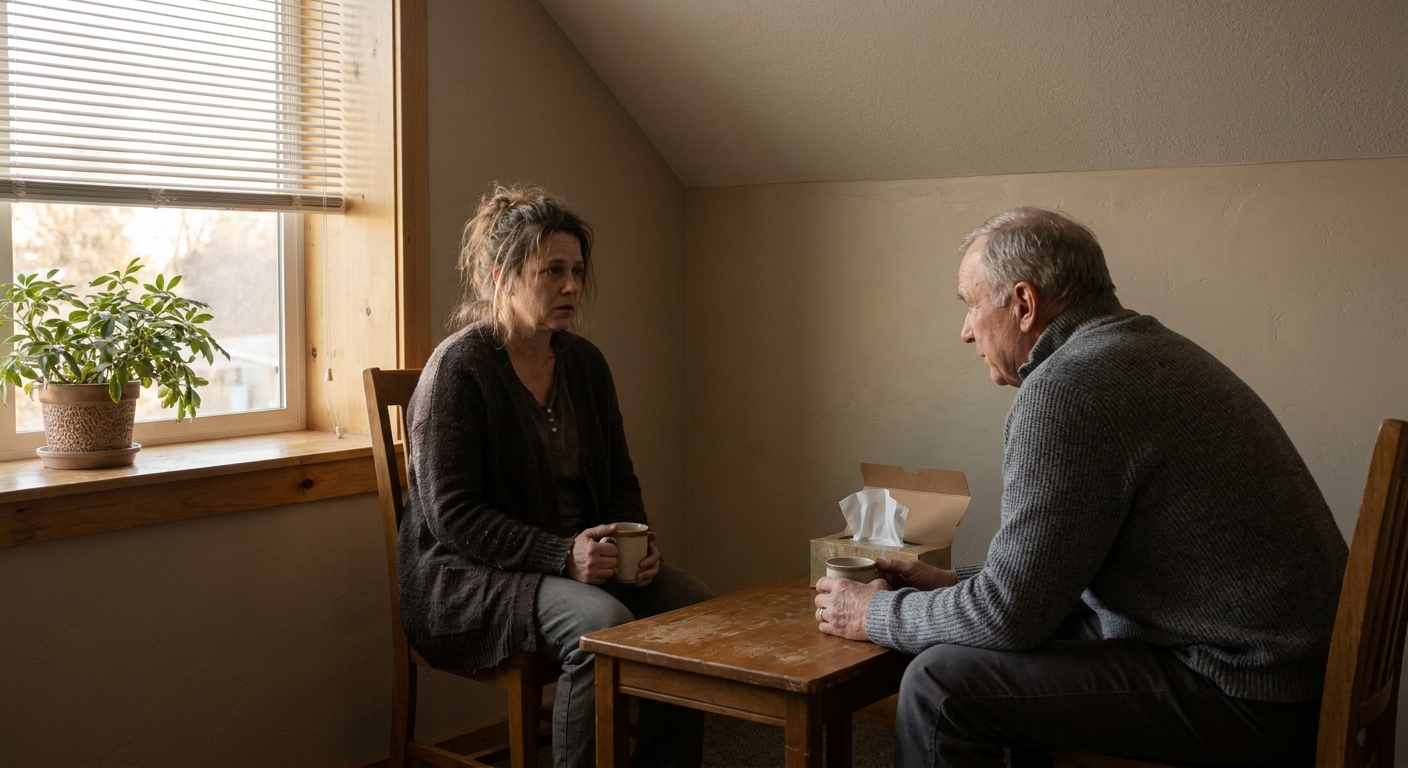

You might be sitting at your kitchen table in Brigham City right now. Maybe the person you love just told you they are ready to try again, or maybe you decided you cannot wait any longer for them to say it. Maybe you typed “how to help a drug addict” into your phone because those were the only words you had left, and that is okay. From here on, this guide from Beecon Recovery talks about your son or daughter, because the person you love is a person with a substance use disorder, not a label. You have been here before. You know what relapse looks like and how fast a plan can fall apart. This time you need a plan that starts in the morning.
Beecon Recovery in Brigham City was built for families like yours. Many of the people who come through the door have already cycled through relapse, through incarceration, and through programs that sent them home with a handshake and nothing after. They are tired of being written off, and they want a new life. This guide walks you through the first 48 hours, where to turn locally, what to say, which kind of treatment fits, how faith can fit in, and what another relapse really means.
How To Help A Drug Addict In The First 48 Hours, Before The Window Closes
The first 48 hours are for safety and logistics. Make sure no one is in danger, gather the facts, and make the first call yourself. That way, when your son or daughter says yes, a time and a place are already waiting.
The gap between “I see it” and “I called someone” is where the danger lives. Families often wait weeks or months for the right moment, and the right moment rarely shows up on its own. For anyone using opioids, overdose risk does not wait for a good week. Here is a sequence you can start tonight:
- Make sure everyone is safe right now. If your loved one is hard to wake, breathing slowly, or has blue lips, call 911. Keep naloxone nasal spray in the house, which many pharmacies now sell over the counter. If they talk about wanting to die, call or text 988.
- Check before they stop suddenly. If your loved one drinks heavily every day or takes anxiety pills like benzodiazepines, quitting cold can be medically dangerous. Call their doctor first.
- Write down what you have seen. Note which substances, for how long, any past treatment, any mental health diagnosis, and any legal history or jail time. This list makes the first call faster and more honest.
- Find the insurance card. Check whether the plan is Utah Medicaid, Blue Cross Blue Shield, Cigna, or something else. Beecon Recovery accepts all three.
- Make the first call yourself. Call Beecon Recovery, ask the team to check coverage, and ask about intensive outpatient (IOP) or outpatient (OP) care and how soon an assessment can happen.
- Decide who is driving. Pick the person and the car before the conversation, not after. Whether you are coming from Logan, Ogden, Roy, Layton, or across town in Brigham City, know the route ahead of time.
- Line up support for you. Choose one person you can call when this gets hard, because it will.
The reason to handle money and rides first is simple. “I can’t afford it” and “I don’t have a ride” are the two walls that most often stand between a yes and a first appointment. When you knock those down ahead of time, your loved one has one less reason to say “maybe next week.” You are not forcing anything. You are clearing the path so a yes can actually turn into treatment.
It is a lot to carry. You may feel like you are doing this alone, at the kitchen table, at midnight. You are not the first parent to sit there and you will not be the last. Taking these steps does not mean you have to manage every day of your child’s life from here forward. It means you are setting up the people who do this work to take some of the weight off your shoulders.
Where Can You Turn For Substance Abuse Help Near Brigham City?
Three good places to start are a local outpatient program like Beecon Recovery in Brigham City, the SAMHSA National Helpline and treatment locator, and the 988 crisis line when there is immediate danger. Each one serves a different moment.
- Beecon Recovery, Brigham City. Beecon Recovery offers intensive outpatient (IOP) and outpatient (OP) and aftercare for substance use disorder, dual diagnosis, and co-occurring mental health conditions, plus relapse prevention and support for individuals impacted by incarceration. It serves families in Brigham City, Logan, Ogden, Roy, and Layton. It accepts Utah Medicaid, Blue Cross Blue Shield, and Cigna.
- SAMHSA National Helpline and treatment locator. The Substance Abuse and Mental Health Services Administration runs a free, confidential national helpline and an online treatment locator. Use it when you want to understand your options or need a referral outside your area.
- 988 Suicide and Crisis Lifeline. Call or text 988 any hour if your loved one is talking about self-harm or is in a mental health crisis. For an overdose or medical emergency, call 911 first.
Each first conversation feels different. A crisis line focuses on getting through the next hour safely, and a national helpline helps you sort through choices. A local program like Beecon Recovery can talk about your actual insurance, your actual schedule, and what IOP or OP might look like for your son or daughter. If you are reading this at night and only have the energy for one thing, write down the questions you want to ask and plan to call in the morning.
Small towns add their own worry. You may fear being seen walking into a treatment center, or worry about what people at church or work will say. Medicaid families often carry an extra layer of shame, as if they are second-class callers. Too much of the system is set up for people to fail, with long waits, confusing coverage rules, and programs that will not take your plan. Beecon Recovery takes Utah Medicaid on purpose, because serving the overlooked and underserved is the whole point. Before you call, the guide on emotional signs of substance abuse covers the mood and behavior changes families tend to notice first.
What Do You Say When They Have Heard It All Before?
Offer an invitation, not an ambush. Name what you have seen without diagnosing, offer one specific next step, and have the insurance and the ride already handled so logistics cannot become the reason to wait.
A surprise confrontation with the whole family in the living room can feel like the only option left, especially if your son or daughter has refused help before. For people who have already been through treatment, though, an ambush feels like one more judgment. They have heard the speeches. What they have not heard as often is a calm, specific offer that already solves the practical problems. That is the difference between an intervention and an invitation.
Some words shut the door fast. Try to avoid these:
- “Why can’t you just stop?”
- “You’re being selfish.”
- “You’re choosing drugs over your family.”
- “I’ve lost all respect for you.”
- “You just need more willpower.”
Each of these treats addiction like a character flaw. Addiction changes how the brain handles cravings, stress, and reward, and your loved one has probably said every one of those sentences to themselves already. Instead, try something closer to this: “I noticed you missed work twice this week and you have not been sleeping. I love you, and I am scared. I already called Beecon Recovery in Brigham City. Our Medicaid (or Blue Cross, or Cigna) works there, and I can drive you to the appointment on [day].” Every piece of that answers a question before they can ask it.
If they say no, do not argue and do not threaten. Say, “Okay. The offer stands. I’ll ask again.” Then keep the door open, because many people need to hear the invitation more than once before they choose themselves. Your job is not to win the conversation. Your job is to make sure that when they are ready, the next step is already sitting right in front of them.
Can Your Loved One Get Real Treatment And Still Sleep At Home?
Yes, for many people. Intensive outpatient (IOP) and outpatient (OP) programs provide structured treatment while the person keeps living at home and, often, keeps working.
Many families assume the only real treatment is a live-in program far from home. That belief keeps some people from starting at all, because a job, a lease, or children depend on them staying put. IOP gives more hours of treatment each week. OP meets less often and can work well as a step down after IOP or as aftercare. Beecon Recovery offers both, so your loved one can move from IOP to OP without switching programs or starting over with strangers. The point is structure without pulling people out of work, family, or the community where they are learning to live sober. The triggers are at home, so practicing new skills at home matters.
Many people who struggle with substance use also live with anxiety, depression, or trauma. Clinicians call this dual diagnosis or co-occurring mental health conditions. When only the substance use gets treated, the untreated mental health condition often pulls the person back. Beecon Recovery treats substance use disorder and mental health together, aiming to change how patients live rather than just treating their symptoms. The CDC notes that substance use disorders are treatable and that recovery is possible, which is worth holding onto on the hard days.
Outpatient care tends to fit best when your loved one has a stable place to live, a home that can be free of substances, family support, and no urgent medical danger. If your son or daughter is using in the house every day, has nowhere safe to sleep, or needs medical care first, an honest assessment will say so. A good program tells you the truth about fit, even when that truth is not what anyone wanted to hear. Ask Beecon Recovery directly on your first call: “Is IOP or OP the right match for my child?”
Should You Choose Faith-Based Or Secular Treatment?
Choose the approach your loved one will actually show up for. Spiritual support can sit alongside clinical treatment or be left out entirely, and either way the substance use and any mental health condition need real clinical care.
Faith can mean prayer, conversations about purpose and meaning, and a steady belief that no person is beyond hope. What it should never mean is prayer instead of treatment. Whatever role faith plays, the care still has to stand up clinically for substance use disorder, dual diagnosis, and co-occurring mental health conditions.
Families around Brigham City know something national guides miss. For many families here, faith runs through everything: Sunday dinners, neighbors, the people your child grew up with. For some people, that faith is a source of strength in recovery. For others, a past experience in a congregation left them feeling judged or ashamed, and anything religious feels like one more lecture. Both reactions are real, and both deserve respect.
To match your loved one to the right fit, ask yourself a few questions. Has your son or daughter found comfort in faith before, or have they pushed back hard against religion? Would spiritual support help them feel less alone, or would it make them want to leave? Tell the Beecon Recovery team what you know on the first call, and ask how the program can respect your loved one’s beliefs, whatever they are. Beecon Recovery’s philosophy is to transform lives, not just treat symptoms, and that only works when the person feels seen for who they are.
Which Addictions Are Hardest To Quit, And Does Another Relapse Mean It Is Hopeless?
Opioids, including heroin and fentanyl, are widely considered among the most difficult substances to stop using, because the body adapts to them quickly and cravings can last long after the last use. Another relapse does not mean it is hopeless. It means the plan may need to change.
Three substances come up again and again as particularly difficult to quit:
- Opioids, including heroin, fentanyl, and prescription pain pills. Physical dependence builds fast, and the risk of a fatal overdose rises after a period of not using, because the body’s tolerance drops.
- Alcohol. It is legal and everywhere, from gas stations to family parties, and stopping suddenly after long, heavy drinking can be medically dangerous.
- Methamphetamine. Cravings are intense, and the crash in mood and sleep after stopping can drive people back toward using.
If your son or daughter has relapsed before, you may wonder whether treatment can help. The National Institute on Drug Abuse explains that addiction is a chronic condition, much like other long-term health problems, and that relapse does not mean treatment failed. It signals that treatment may need to be restarted or adjusted. That is the honest frame: people get another chance, and the next attempt can be built differently.
Beecon Recovery was built for people who have been through this cycle, including those impacted by incarceration. Relapse prevention is part of the program, not an afterthought. Most programs lose track of people the day they finish. Beecon Recovery follows up with clients for 12 months after treatment to track their recovery, so the support does not end at the last group session. That year of follow-up is part of the approach behind what Beecon Recovery reports as a low relapse rate, though outcomes vary from person to person. You can ask the team on your first call exactly how that 12-month follow-up works.
What Else Do Brigham City Families Ask Before They Call?
Most families ask the same handful of questions before they pick up the phone, so here are short, honest answers.
What is the 3-3-3 rule for addiction?
The 3-3-3 rule is a grounding technique: name three things you can see, three things you can hear, and three things you can touch. It pulls attention back to the present long enough for a strong craving to ease. It is a useful tool in early recovery, but it works best as one skill inside a full treatment plan, not as a replacement for one.
Does Utah Medicaid work for addiction treatment at Beecon Recovery?
Beecon Recovery accepts Utah Medicaid, Blue Cross Blue Shield, and Cigna. Coverage details depend on the specific plan, so ask the team to check your loved one’s benefits for IOP or outpatient care when you call. Having the card in hand makes that check much faster.
How long does outpatient treatment take?
It depends on the person and on what the assessment shows. IOP meets more often each week, while OP meets less often and can continue as aftercare. Both let your loved one stay at home and, in many cases, keep working. After treatment, Beecon Recovery stays in touch for 12 months. For a plain-language overview of substance use disorder and support options, NIH MedlinePlus Magazine is a helpful read for parents.
What if my loved one has tried treatment before and relapsed?
That is exactly who Beecon Recovery serves. Many clients arrive after past programs, repeated relapse, or time in jail. A new attempt is not starting over from nothing, because it builds on what your loved one has already learned about what does and does not work for them.
Can I stay involved during my adult child’s treatment?
Yes, with their permission. Because your son or daughter is an adult, privacy laws require their written consent before the treatment team can share details with you. Ask them to sign a release early, and ask Beecon Recovery how family can be part of the process. Keep your own support line open too, because you matter in this as well.
If you came here asking how to help a drug addict, the honest answer is that you start with one phone call, and you can make it before you ever have the conversation with your son or daughter. Call Beecon Recovery in Brigham City to check your Utah Medicaid, Blue Cross Blue Shield, or Cigna coverage, ask whether IOP or OP fits your loved one, and find out how soon an intake appointment can happen. Tonight, put the insurance card and the notes from step three next to your phone, so that tomorrow morning the first call takes ten minutes instead of a week of working up the nerve.
You Don’t Have To Figure This Out Alone
Watching someone you love struggle with addiction can leave you feeling helpless, but taking that first step toward professional guidance changes everything. If you’re ready to explore what real support looks like for your family member and yourself, the team at Beecon Recovery in Brigham City understands what you’re facing and can walk you through your options with compassion and clarity.
Treatment outcomes vary from person to person. This guide is for educational purposes and does not replace medical advice. If someone is in danger, call 911.